

Techno-economic modelling
for mining and critical minerals projects









From technical uncertainty to investment clarity
Stochastic by design
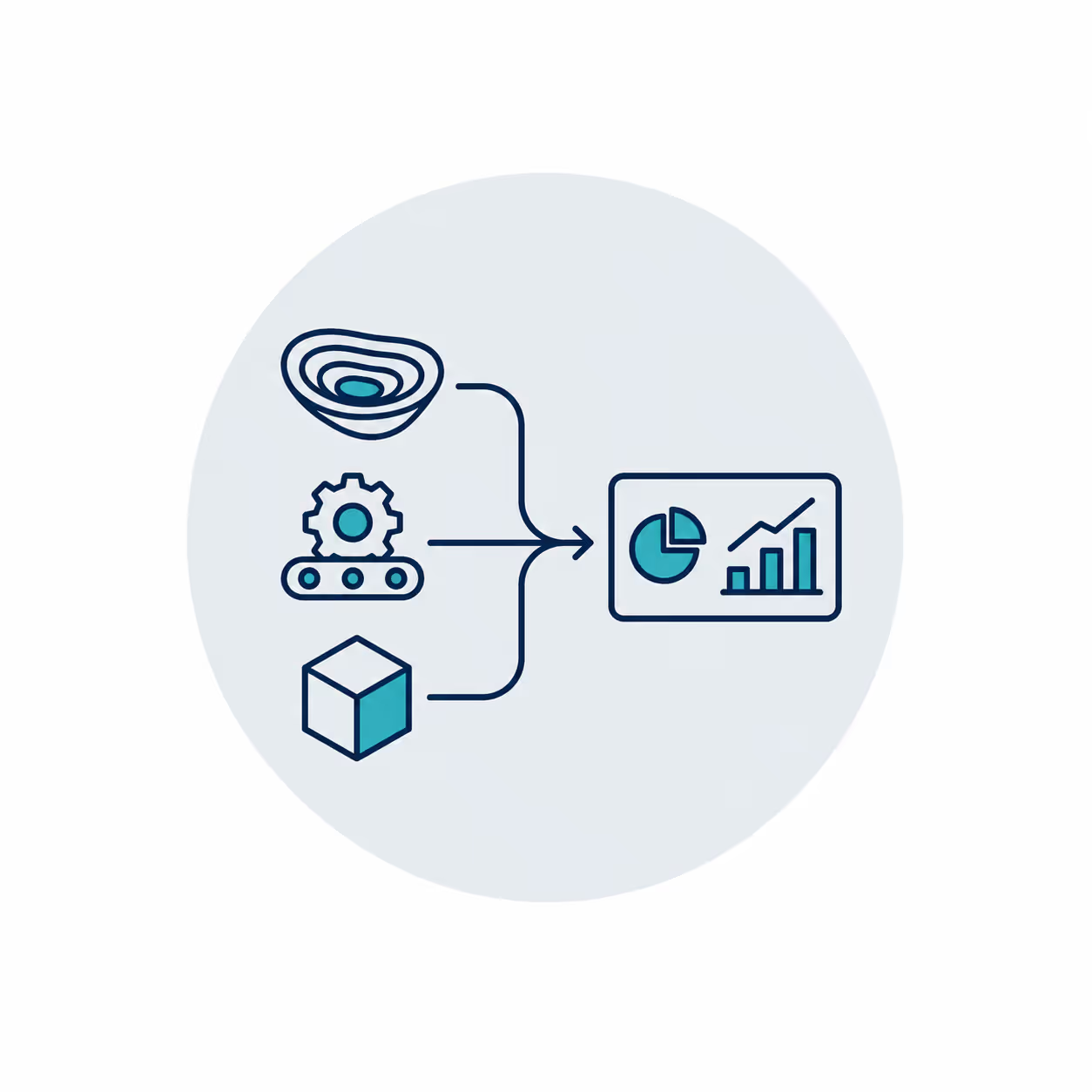
Techno-economic integration

Independently validated
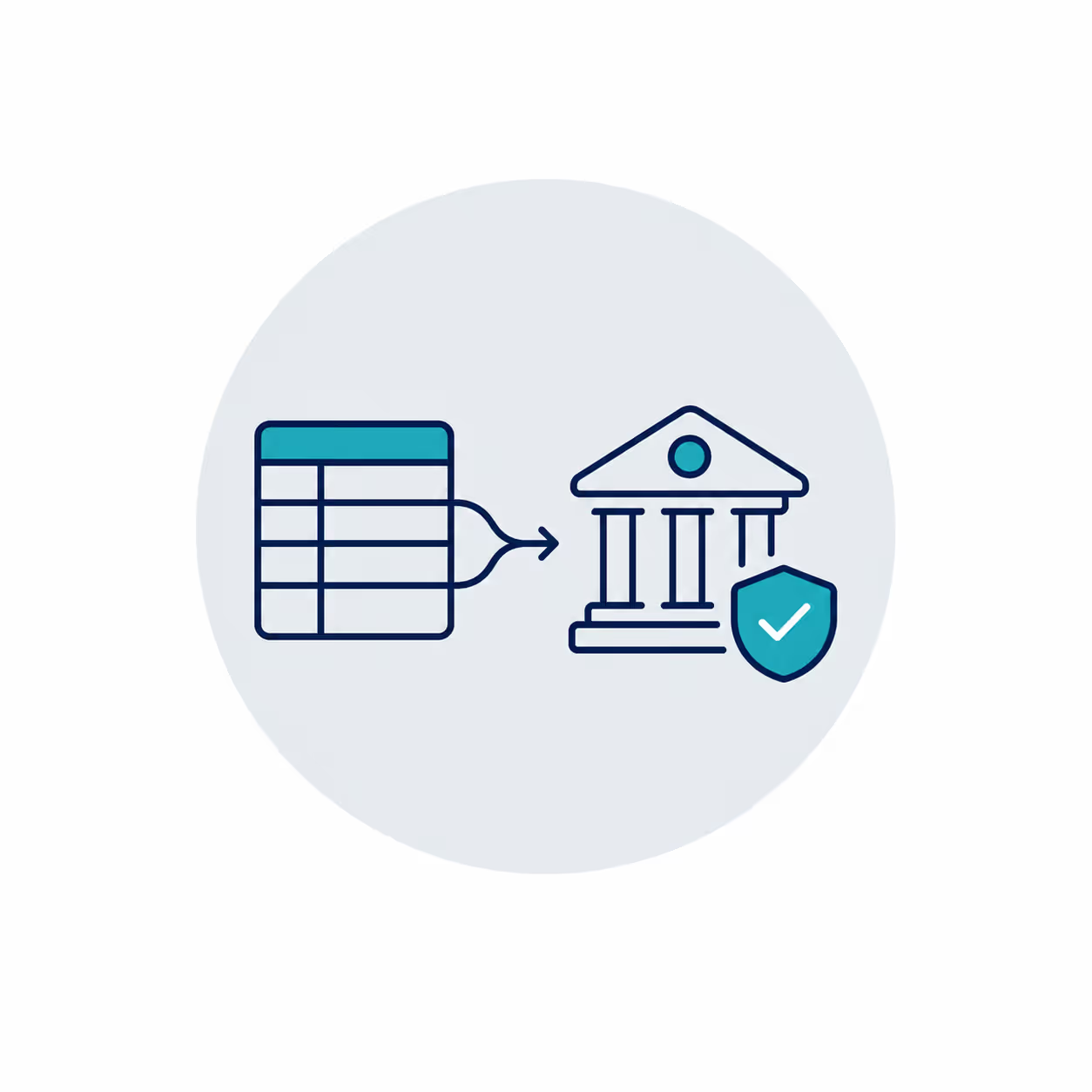
Finance ready

Questions we hear every time

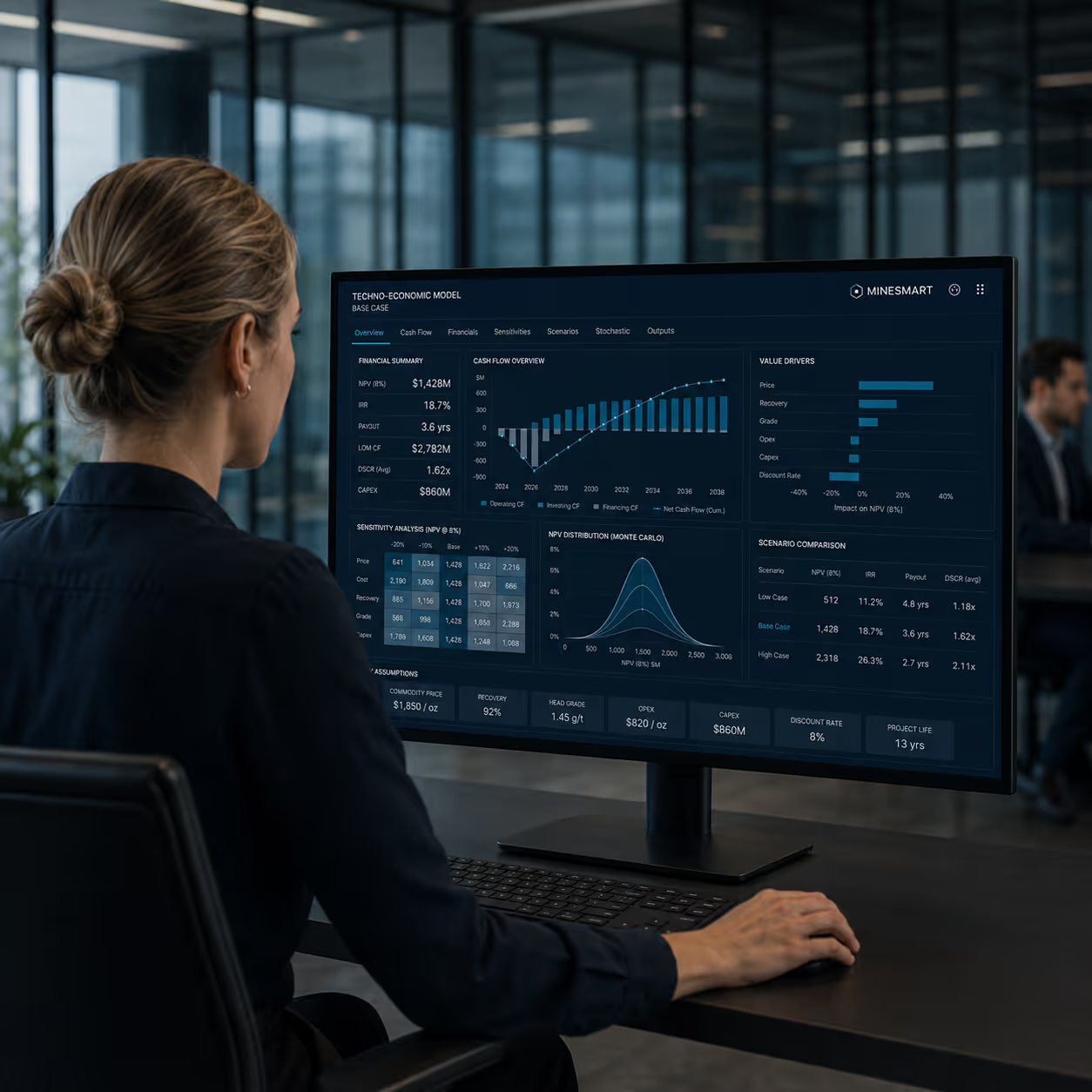
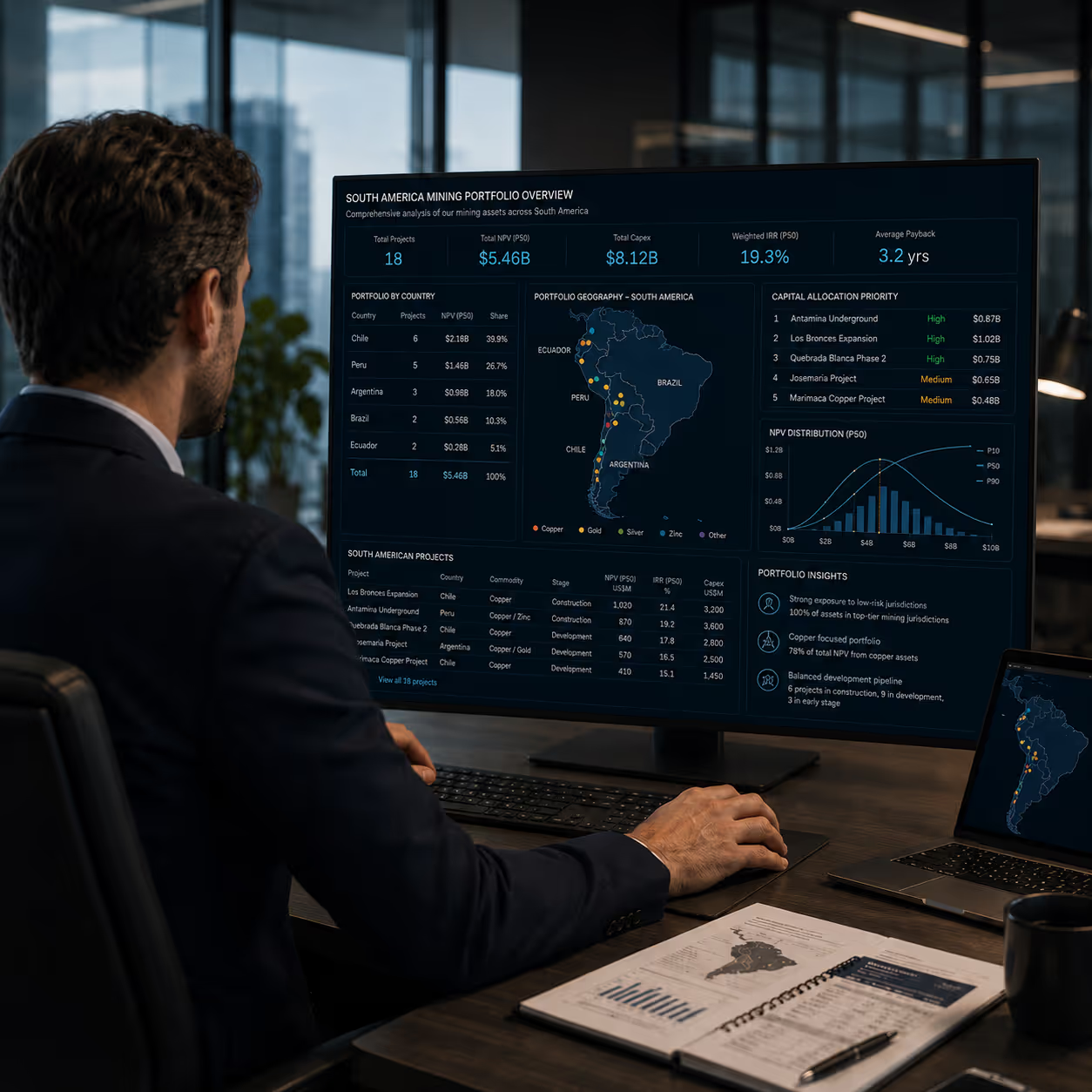
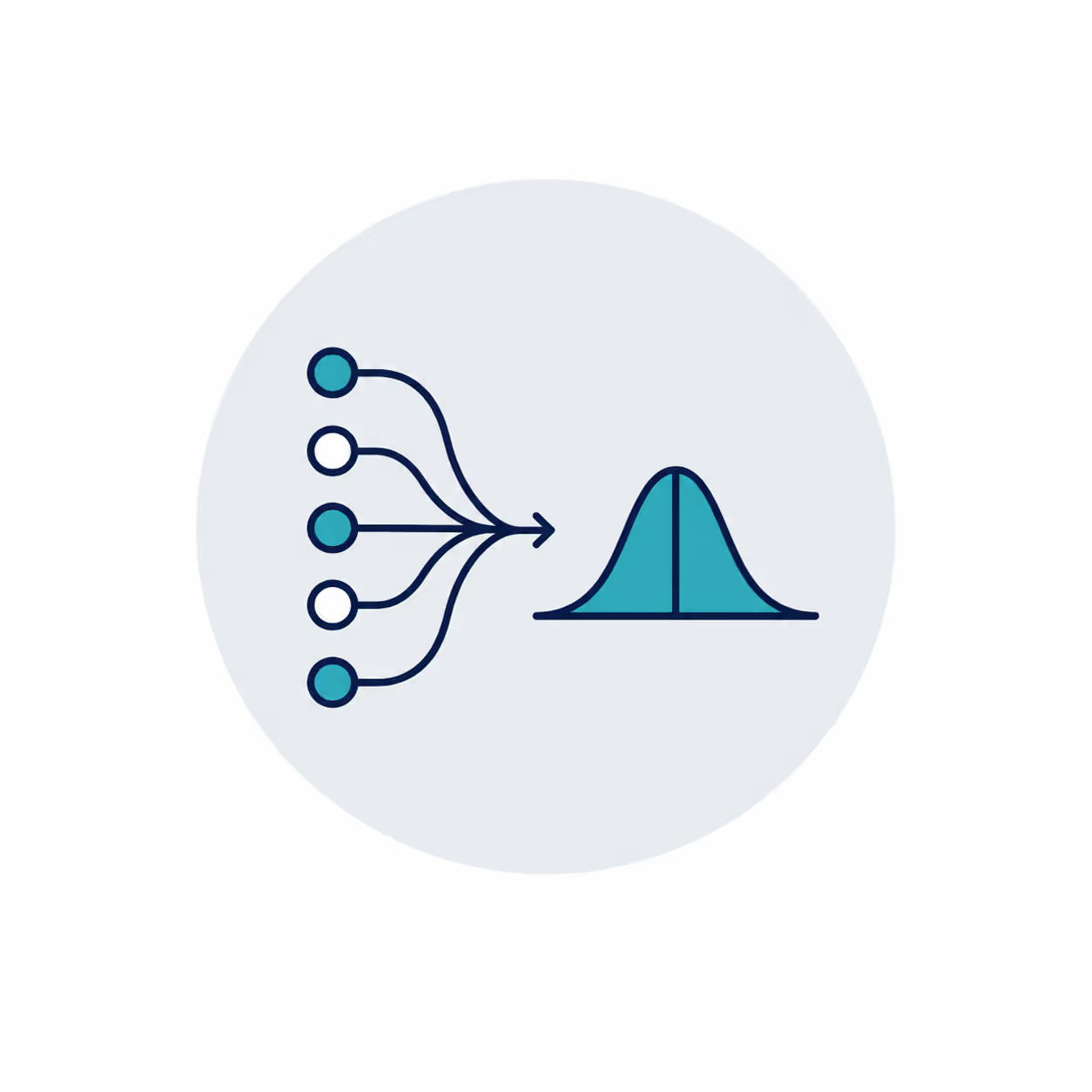
The model produces a probability-based view of project economics, not a single base case. It runs thousands of scenarios across validated project inputs to show P90 downside, P50 base case, and P10 upside outcomes, together with the value drivers that contribute most to uncertainty.
A standard financial model usually starts with a production schedule and tests selected variables one at a time. This model starts with the project conditions that drive the economics and varies material inputs simultaneously, showing how technical, operating, cost, schedule, market, and financing risks combine in practice.
The model draws on project-wide inputs across geology, mining, metallurgy, infrastructure, logistics, schedule, capital costs, operating costs, workforce, commodity prices, financing assumptions, and environmental and social risk factors. Each input is assigned a realistic range, validated where possible, and documented before entering the simulation.
Yes. The independent model assessment is designed for investors, lenders, royalty companies, and streaming firms evaluating a project without developer influence over the conclusions. It tests the financial model and key assumptions, identifies material divergences, and provides an independent view of financial robustness.
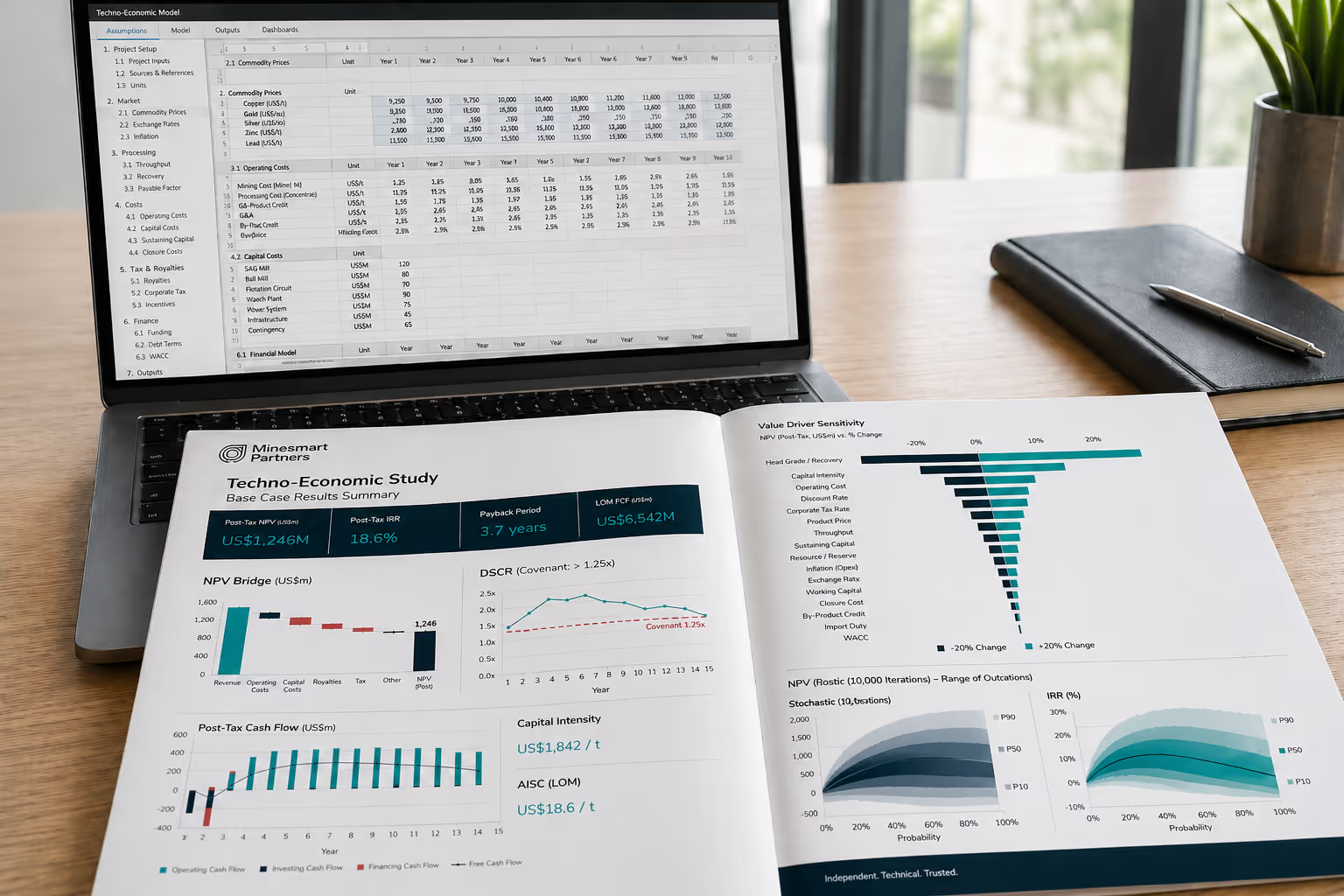
Every material assumption is documented, traceable, and tested against comparable projects, empirical evidence, or recognised industry references. The model is built with transparent formulas and lender convention architecture, so it can be opened, reviewed, and challenged without being rebuilt.
The services work together. The Investment Readiness Assessment identifies gaps across the investment case. The techno-economic simulation model quantifies the technical and financial implications of those gaps. The integrated risk work then converts priority risks into decision-ready scenarios for the investment case..
